Logo
background image

Maori Heritage

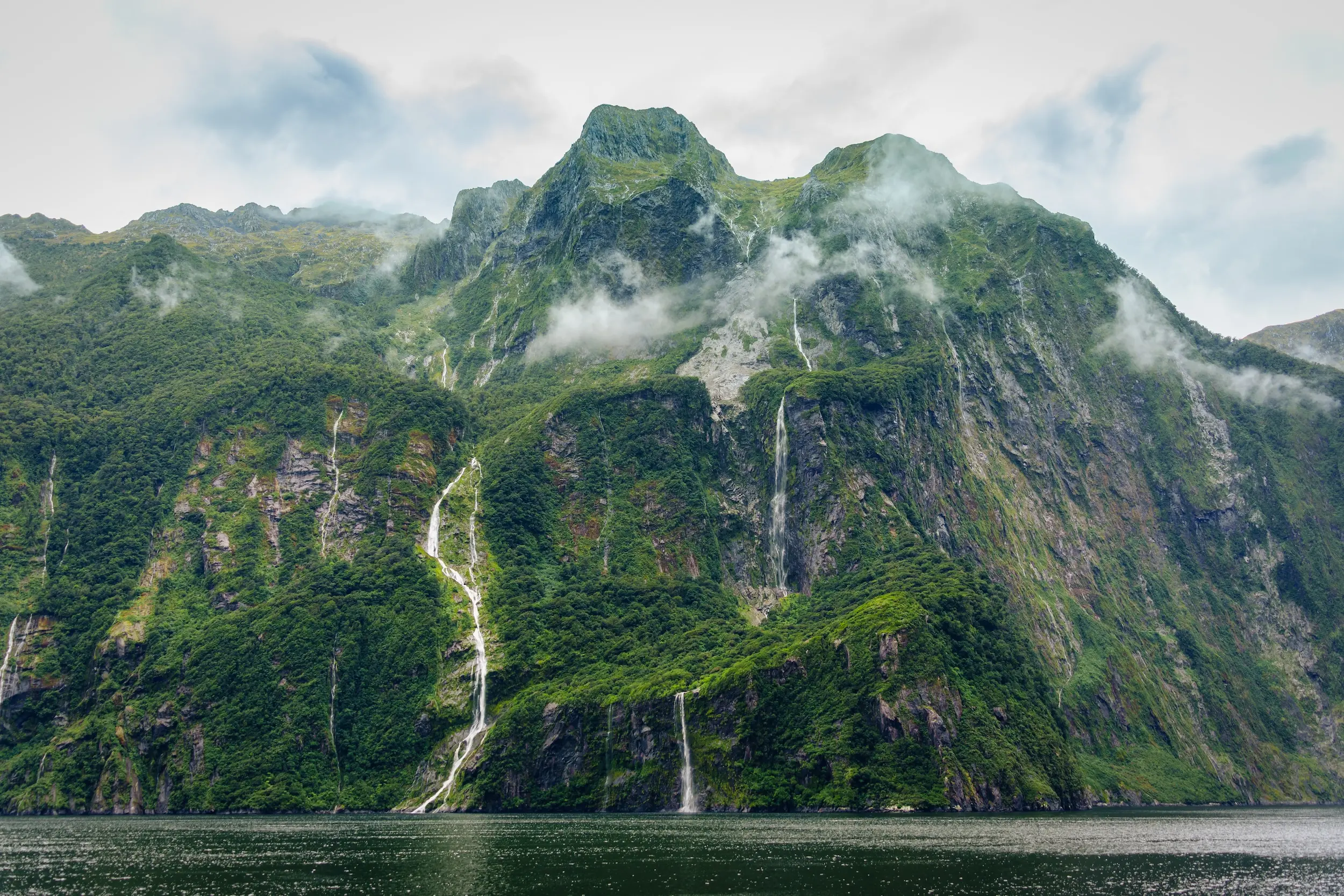
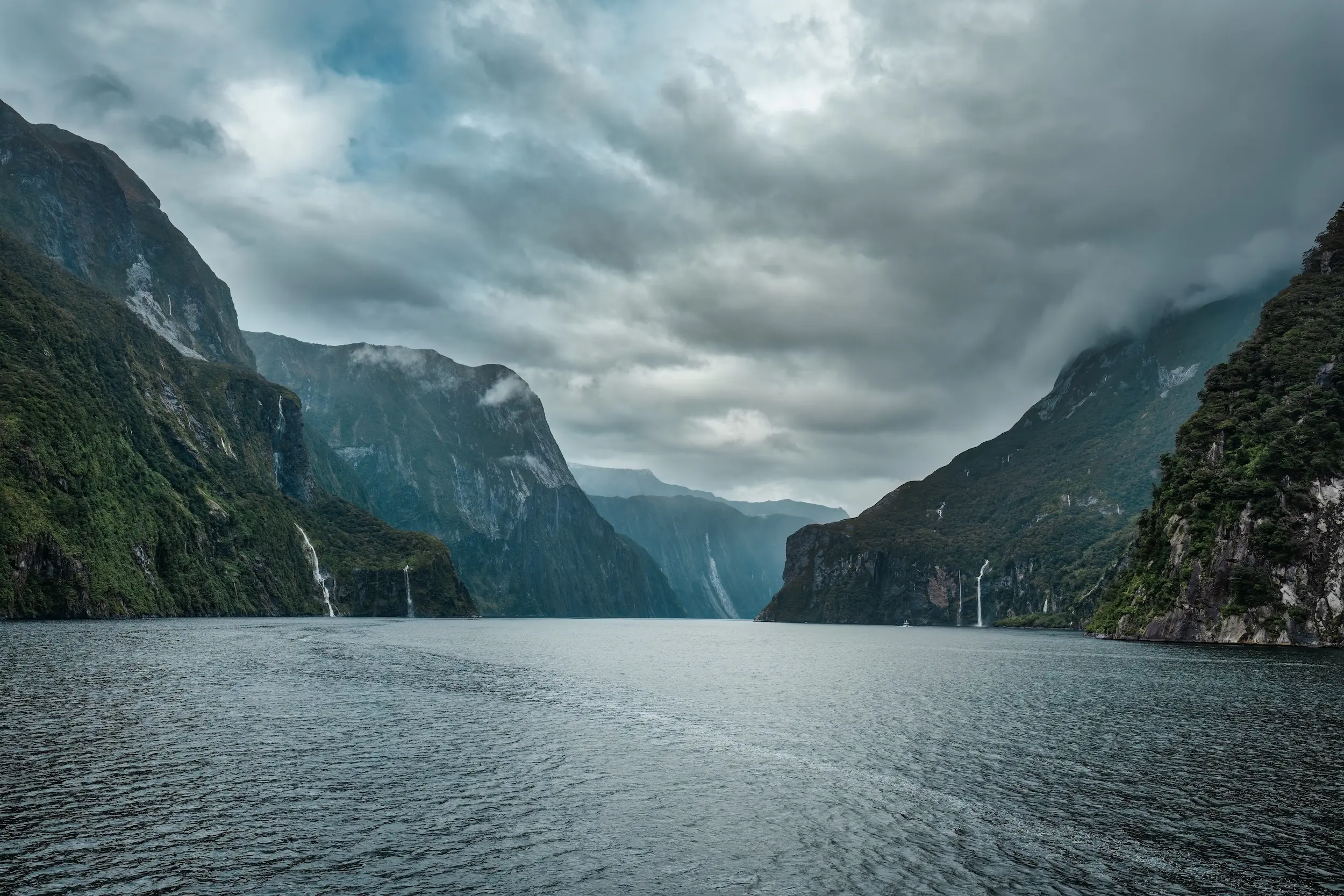
Māori know this sacred place as Piopiotahi

Piopiotahi - Place of the Single Piopio

Long before any European ships showed up, Māori knew this place as Piopiotahi. The name comes from the piopio bird—a native thrush that's now extinct, but whose song was supposedly beautiful. The story goes like this: when the demigod Maui died trying to achieve immortality, a single piopio flew all the way to this remote fiord to sing a lament for him.

The song was so heartbreaking that the bird itself died of grief. That's how the place got its name, and why it carries such spiritual weight for Māori.
Creation Stories and Mythology

Tu-te-raki-whanoa - The Divine Sculptor

background image

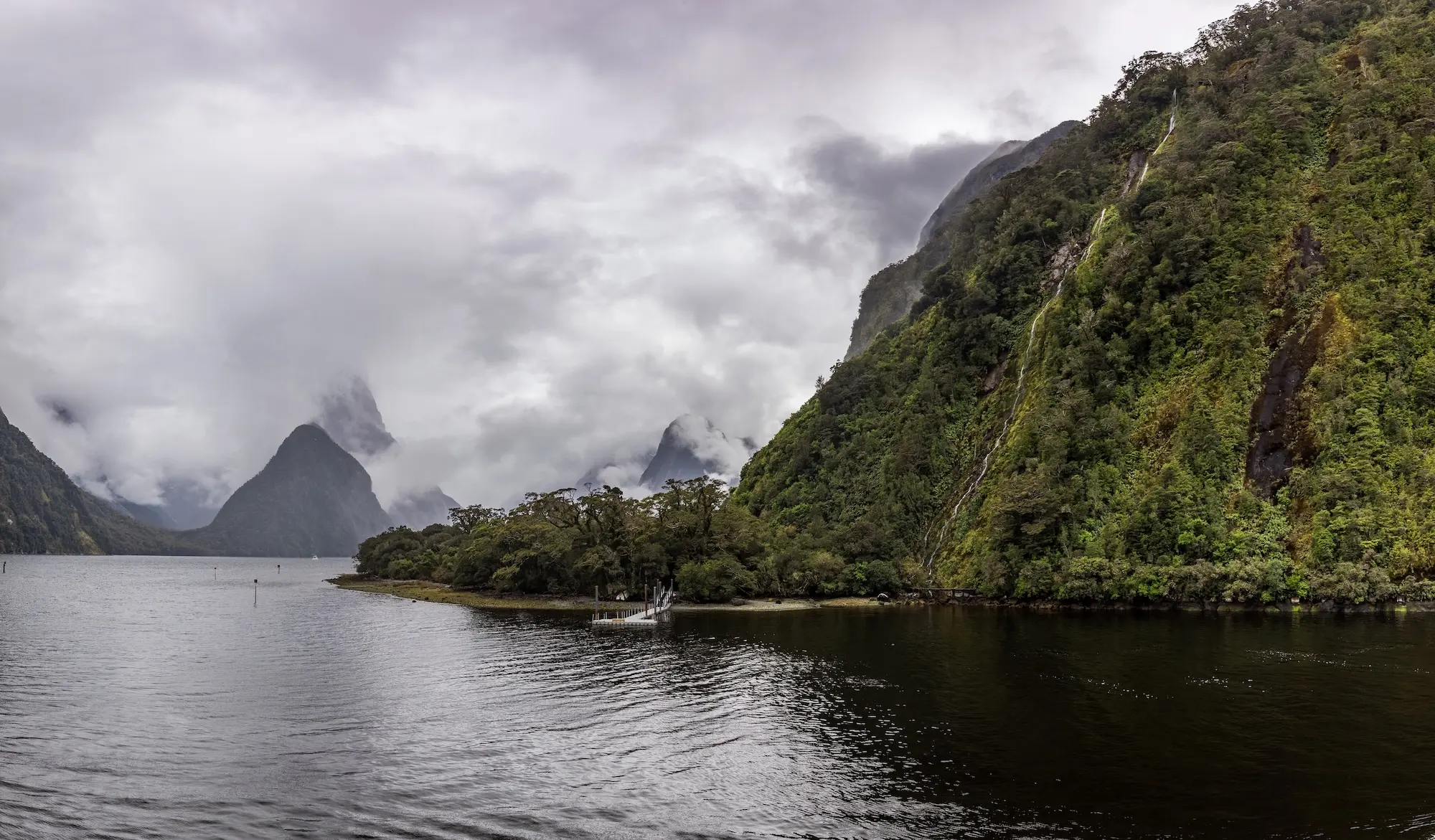
Māori tradition tells of Tu-te-raki-whanoa, a god who carved out all the fiords of Fiordland with his adze called Te Hamo. He started down south at Preservation Inlet, and his early work was rough—experimental cuts that created the broken, jagged coastline there. As he worked his way north, he got better at it. By the time he reached Milford Sound, he'd perfected his technique. Piopiotahi was his final work, and he absolutely nailed it.

There's a twist, though. The goddess Hinetuhi got jealous. She worried that humans would find this place so perfect they'd never leave, so she released Te Namu (sandflies) to make sure people kept moving. Anyone who's been to Milford Sound in summer can confirm she succeeded.
How Māori Used This Place

background image

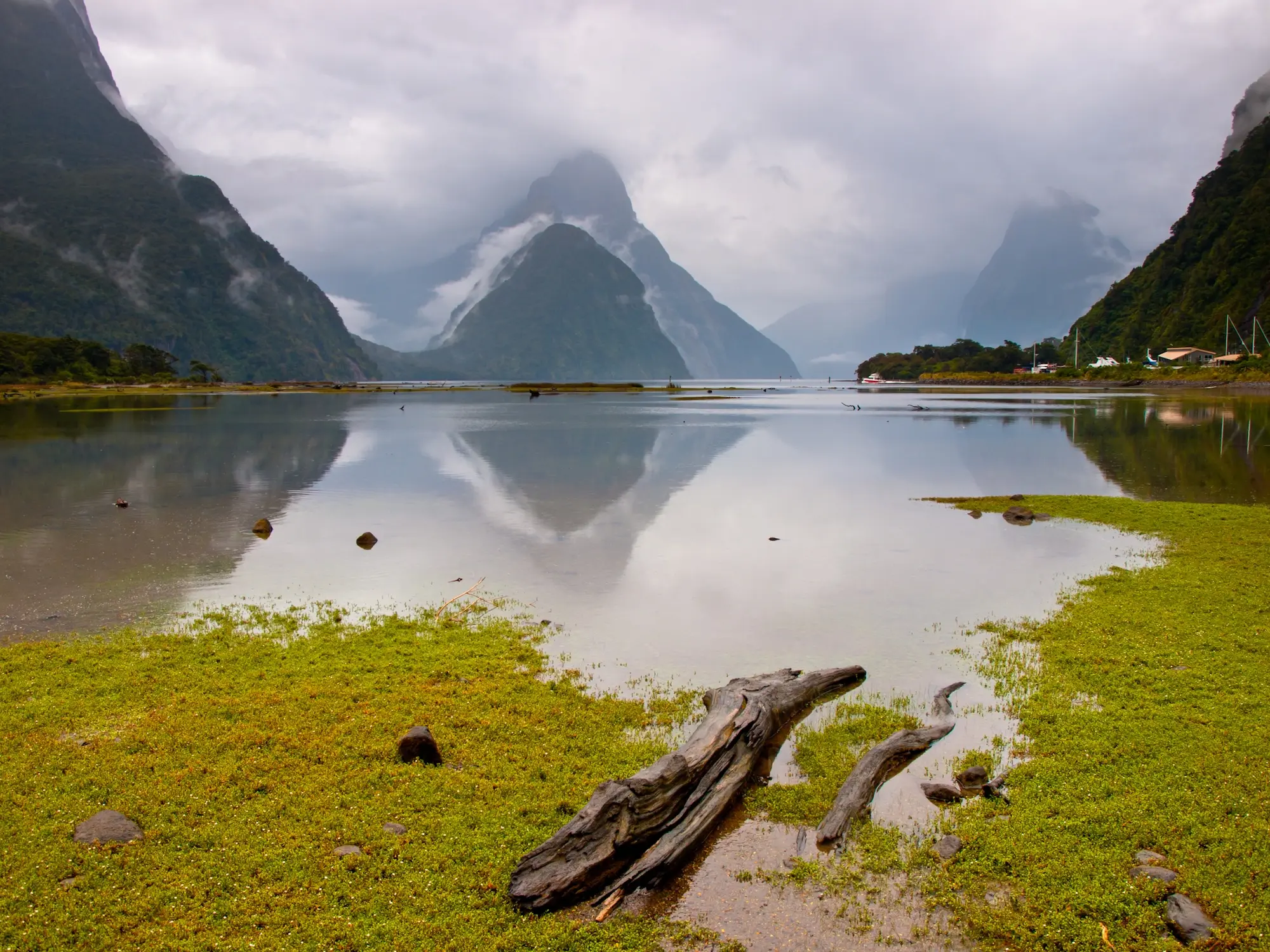
Nobody lived here permanently—the conditions were too harsh for that. But Piopiotahi was an essential stop in a whole network of seasonal travel routes.

Ngāi Tahu (and before them, Ngāti Māmoe and Waitaha) made complex journeys here for resources they couldn't get anywhere else.
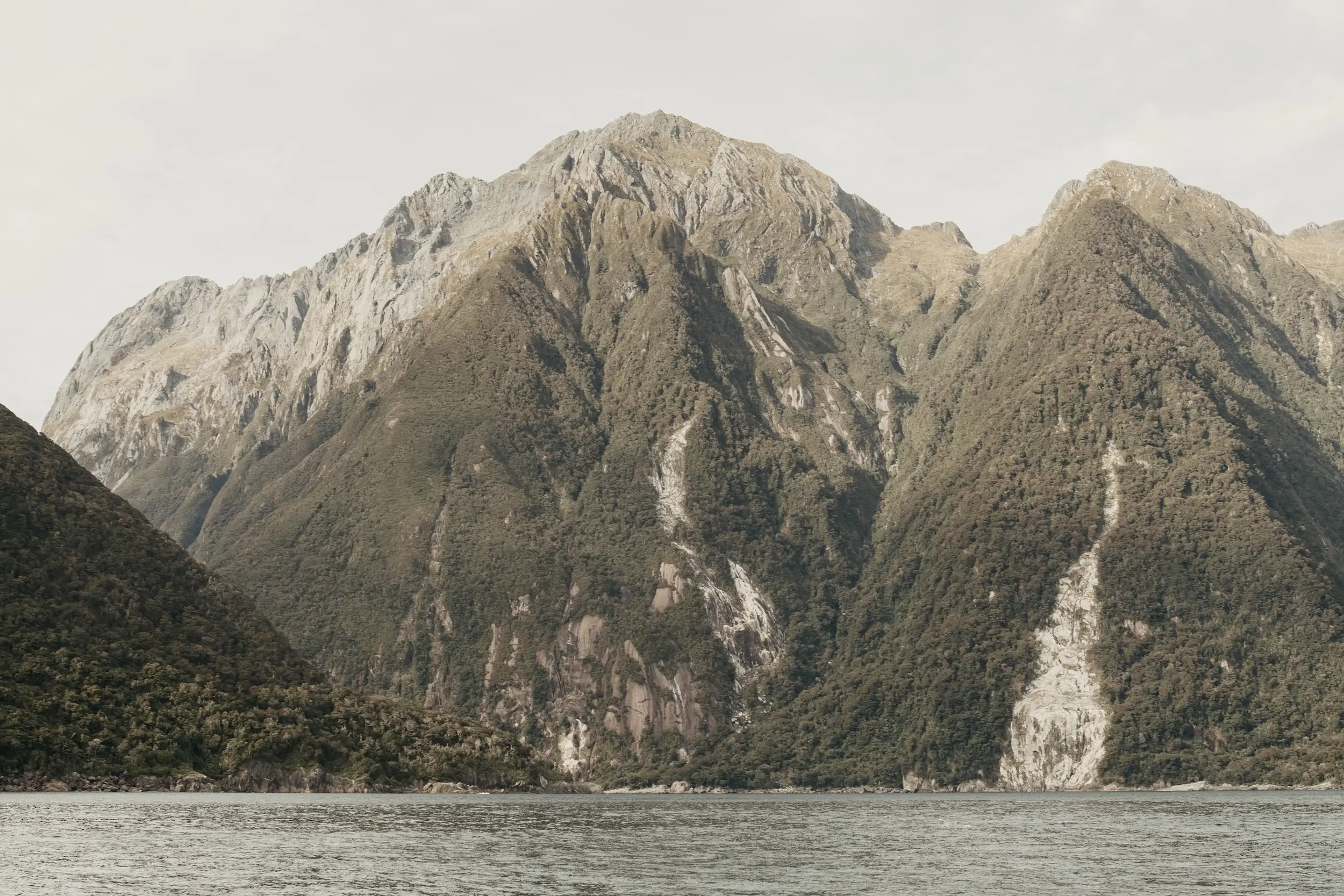
The Pounamu Trail

background image

The biggest reason to make the trek was pounamu—greenstone or jade, found in rivers flowing into the fiord. This stone wasn't just valuable; it was sacred, imbued with mana (spiritual power). Different types had different uses:

  • Inanga (whitish-green): For tools and ornaments
  • Kahurangi (deep green): Highly prized for heirloom pieces
  • Kawakawa (translucent with inclusions): For weapons and important carvings
  • Totoweka (speckled): Used for personal adornments

Pounamu objects got passed down through generations, gaining mana with each owner. Some pieces in existence today are hundreds of years old.

Traditional Routes

Three main trails connected Piopiotahi to the outside world:

  • The Hollyford Track Route: Coastal access via the Hollyford River valley. Used for marine resources—fish, seafood, seals. Less technical than mountain routes but longer. Seasonal camps established at Martins Bay.
  • The Milford Track Route: The most direct but hardest route. Crossed the mountains via Clinton and Arthur valleys. Required serious fitness and experience. Used primarily in summer. Dangerous in bad weather.
  • The Greenstone-Caples Route: Connected to Lake Wakatipu and interior settlements. Primary pounamu transport route. Network of camps and shelters. Required multiple days of travel.

These weren't casual walks. The terrain was brutal, the weather unpredictable. People died making these journeys. But the resources—especially pounamu—made the risk worth it.

Resource Gathering

Kai Moana

Food from the Sea

background image

Beyond pounamu, the fiord had plenty to offer:

  • Pāua (Abalone): Gathered from rocky shores at low tide
  • Kina (Sea Urchin): Collected by diving
  • Kōura (Crayfish): Trapped in woven cages
  • Fish: Including blue cod, butterfish, and groper
  • Seabirds and Eggs: Seasonally harvested with strict protocols

Manu

Birds

background image

Forest birds were crucial protein sources:

  • Kererū (Wood Pigeon): Preserved in their own fat
  • Kākā (Forest Parrot): Snared during fruiting season
  • Weka: Easily caught flightless rails
  • Tītī (Muttonbird): Chicks harvested from coastal colonies

Marine Resources

  • Fish: Barracouta, blue cod, tarakihi
  • Shellfish: Paua (abalone), mussels, kina (sea urchins)
  • Seals: Fur seals for meat, oil, and skins
  • Seabirds: Mutton birds and their eggs

Forest Products

  • Birds: Kaka, tui, and other native species
  • Plants: Medicinal herbs and food sources
  • Raw Materials: Wood for tools and construction
  • Weaving Materials: Harakeke (flax) and other fibres

Preservation and Storage

Without refrigeration, Māori developed sophisticated preservation methods:

  • Drying fish and meat in the wind
  • Smoking over special woods
  • Controlled fermentation in earth ovens
  • Extracting and storing seal oil for transport

Cultural Protocols and Beliefs

Tapu and Sacredness

Certain areas were tapu and couldn't be entered without proper protocols. Breaking tapu could bring serious consequences—spiritual and practical.

  • Tapu Sites: Certain locations forbidden except for specific purposes
  • Wāhi Tapu: Sacred places where significant events occurred
  • Urupā: Burial sites, often in caves or rock shelters
  • Ritual Cleansing: Required after gathering resources or traveling

Kaitiakitanga (Guardianship)

Māori see themselves as guardians of this place, responsible for its wellbeing. Take only what you need, treat everything with respect, and maintain the balance.

  • Safe Passage: Chanted before dangerous crossings
  • Resource Gathering: Seeking permission from guardian spirits
  • Weather Control: Attempting to influence conditions
  • Healing: Using the power of place for physical and spiritual wellness

The Role of Tohunga

Spiritual leaders (tohunga) had crucial jobs:

  • Performing protective rituals
  • Lifting or imposing tapu
  • Reading omens and signs
  • Maintaining spiritual protocols

Wairua, Karakia and Rituals

The landscape itself holds wairua; a spiritual essence. Mountains, waterfalls, almost everything has presence and meaning.

  • Before entering the fjord
  • When gathering pounamu
  • After successful hunting
  • When departing

Archaeological Evidence

Physical Traces

background image

Archaeological investigations reveal:

  • Midden Sites: Shell deposits indicating temporary camps
  • Tool Manufacturing: Greenstone working areas with debris
  • Rock Shelters: Modified overhangs for accommodation
  • Rock Art: Limited but significant pictographs
  • Artifacts: Adzes, fishhooks, and ornaments

Dating Evidence

background image

Carbon dating and artifact analysis suggest:

  • Earliest occupation 800-1000 years ago
  • Peak activity 1400-1600 CE
  • Continued use through European contact period
  • Gradual decline with population centralization

Cultural Experiences for Visitors

Authentic Engagement Opportunities

  • Guided Cultural Tours: Ngāi Tahu guides share traditional perspectives, stories, and demonstrate traditional uses of plants and materials.
  • Pōwhiri (Welcome Ceremonies): Special groups may arrange traditional welcomes, including karakia, waiata (songs), and hongi (traditional greeting).
  • Educational Programs: Schools and groups can book cultural education sessions covering history, mythology, and contemporary issues.
  • Art and Craft: Greenstone carving demonstrations and workshops, traditional weaving exhibitions, and contemporary Māori art installations.

The Māori connection to Piopiotahi isn't just history it's alive and ongoing. Every waterfall, every mountain holds stories. For Ngāi Tahu, this remains their ancestral landscape.

Modern tourism brings a challenge: how do you let millions of visitors experience this place while respecting its cultural significance and protecting it for future generations? There's an ongoing partnership between Ngāi Tahu, conservation authorities, and tourism operators trying to figure that out.

What It Means for Visitors

When you visit Milford Sound, you're not just looking at scenery. You're in a cultural landscape that's been significant to Māori for centuries. Understanding that context—even just a bit—changes the experience. For Māori, Piopiotahi is where the spiritual and physical worlds meet. It's where ancestors walked. It's where the mauri (life force) of the land still pulses.

For visitors willing to look past just the surface beauty, that cultural layer adds profound depth. You're not just seeing a fjordl; you're experiencing a place that's held meaning for people for a thousand years, and still does.


Have a question?

Check our frequently asked questions below

© 2026 Milford Sounds Tours. All rights reserved.