Logo
background image

Wildlife & Nature

This biodiversity hotspot supports species found nowhere else on Earth

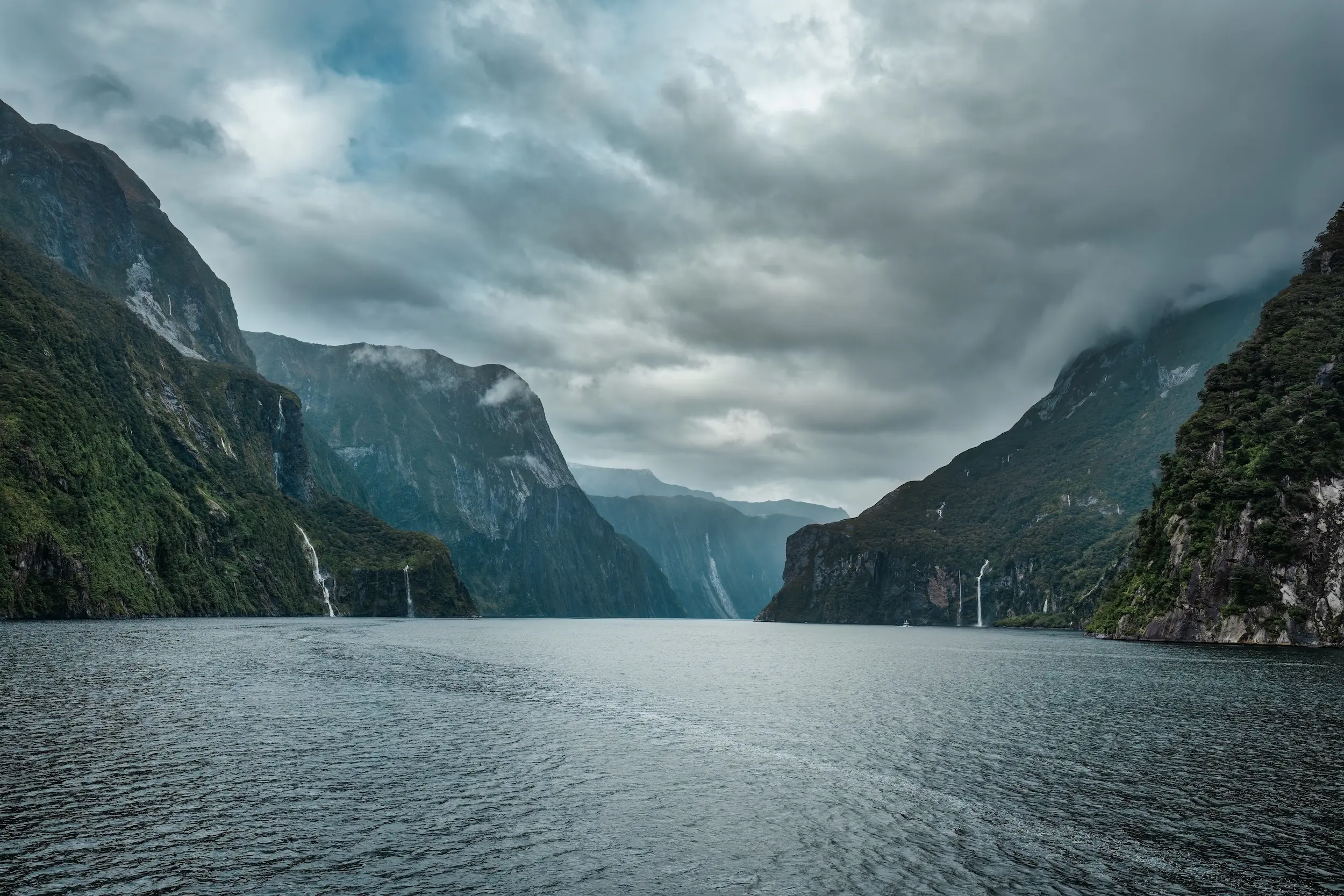
Milford Sound has a weird ecosystem where rainforest meets the ocean, and deep sea creatures appear in shallow water. It's a biodiversity hotspot with species you won't find anywhere else—we're talking the world's rarest penguins, black coral forests that have been here forever, and a bunch of other stuff that makes marine biologists get really excited.

The isolation and protection mean wildlife does pretty well here. If you're lucky, you'll get some genuinely memorable animal encounters.
Our Featured Wildlife

New Zealand Fur Seals (Kekeno)

Marine Mammals

background image

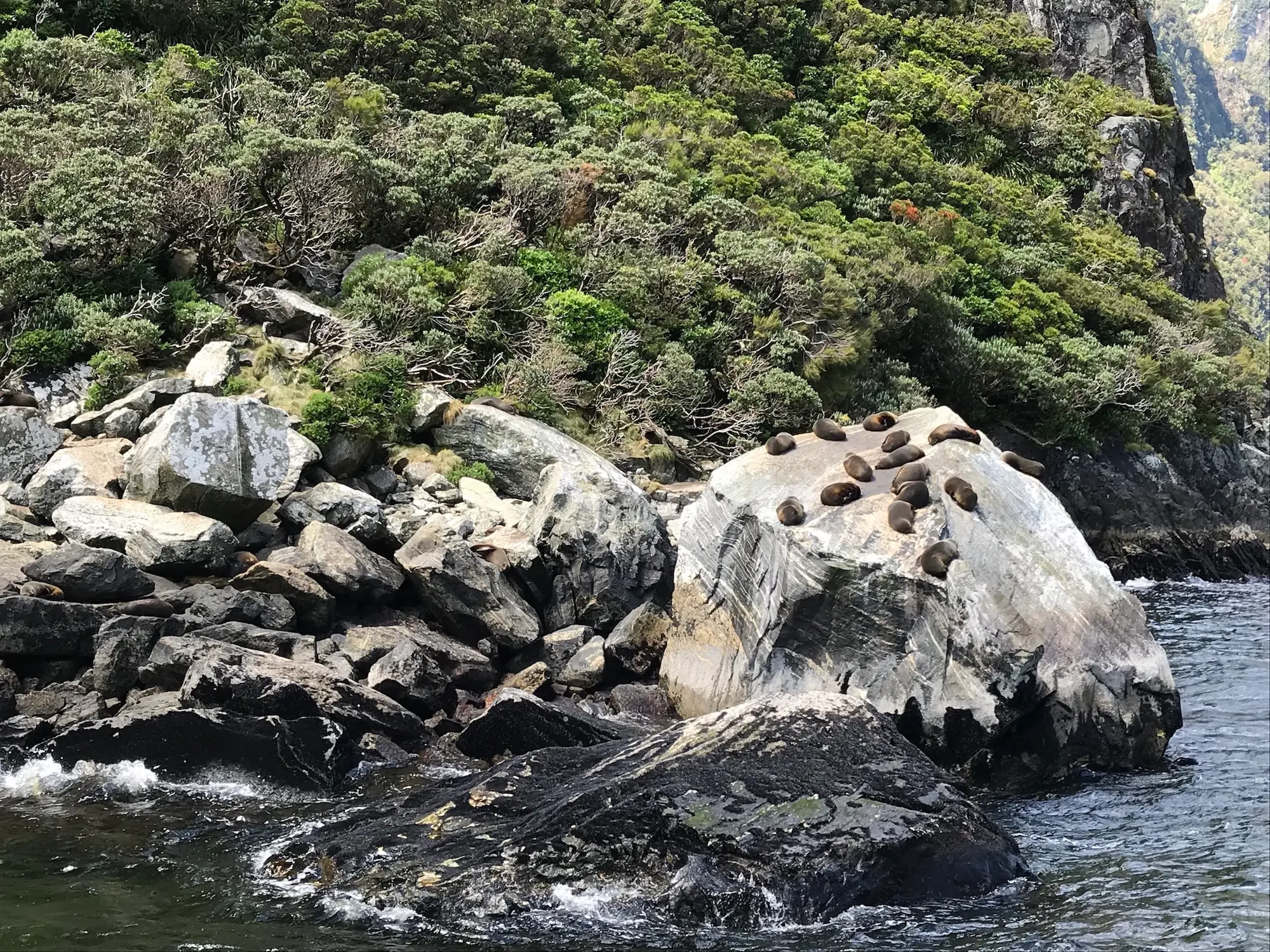
You'll spot them hauled out on the rocks, usually around Seal Rock. During the breeding season, they're particularly active, with the bulls becoming territorial and the females nursing their pups in sheltered spots.
  • Year round Residents: Primarily young males and non breeding females
  • Haul-out Sites: Seal Point, Anita Bay, and scattered rocky outcrops
  • Daily Patterns: Most active early morning and late afternoon
  • Feeding: Dive to 200m for squid, octopus, and fish

Bottlenose Dolphins

Marine Mammals

background image

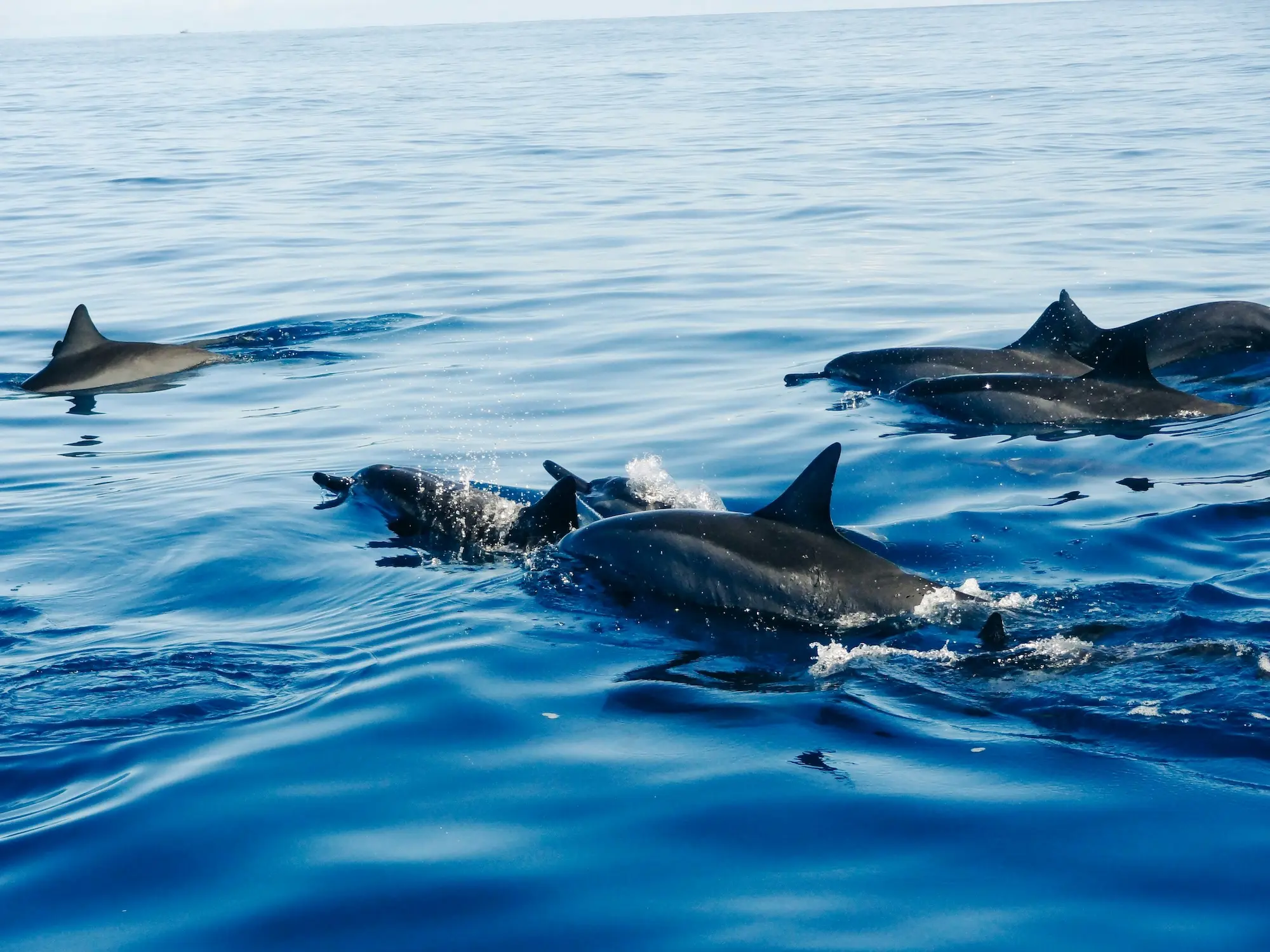
The dolphins here aren't quite like their coastal relatives. This population has adapted to fjord living. They're bigger, more robust and built for colder water. They patrol the sound regularly and if you see a pod it's pretty thrilling.
  • Pod Size: Typically 6 to 15 individuals, occasionally up to 50
  • Territory: Patrol the entire fiord and adjacent coastline
  • Frequency: Spotted on approximately 60% of summer cruises
  • Identification: Individual dolphins recognized by dorsal fin markings

Southern Right Whales

Marine Mammals

background image

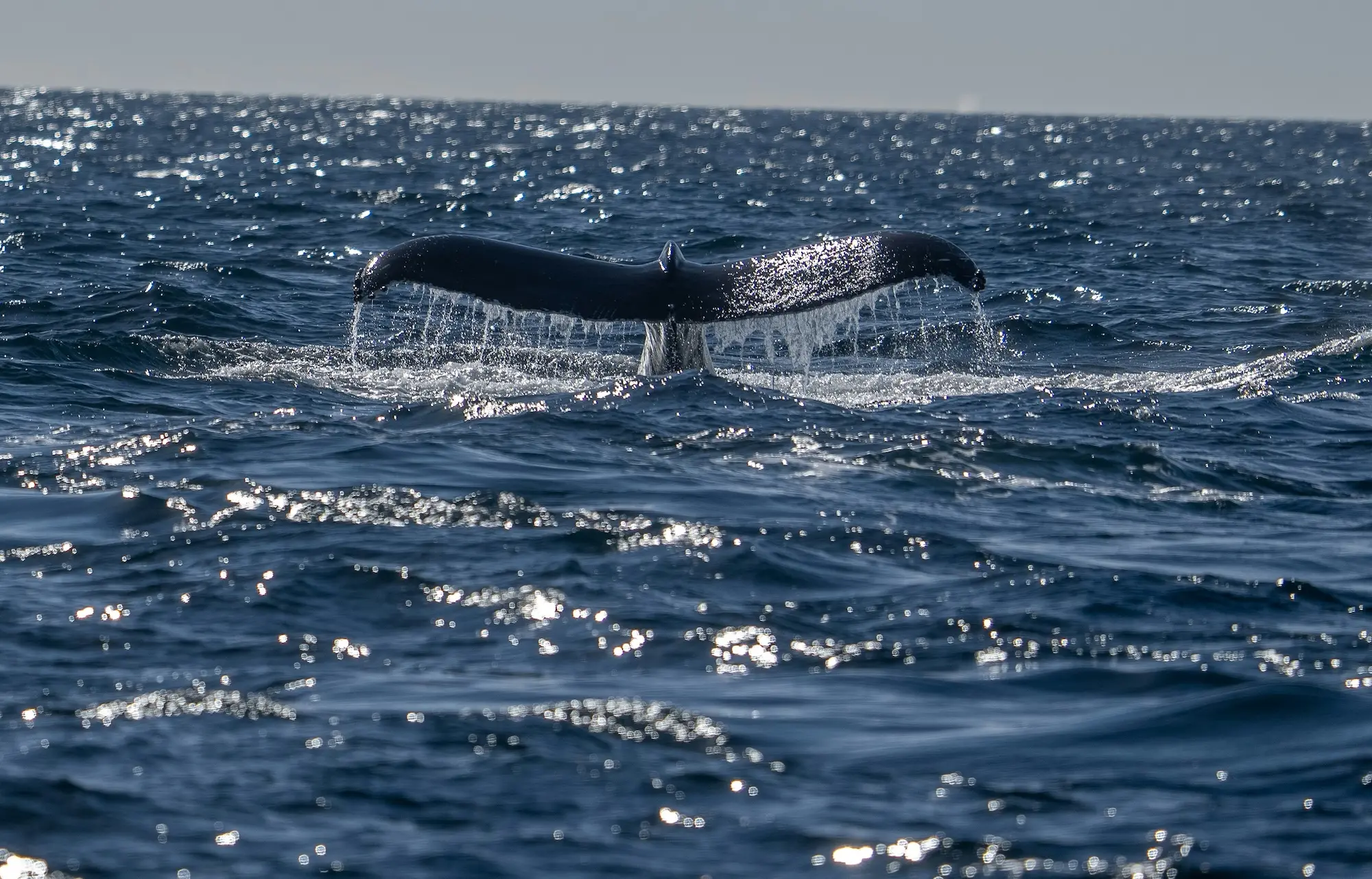
These massive cetaceans swing by occasionally during their winter migration (June to August). Historical whaling absolutely hammered their numbers, but they're slowly recovering. When one shows up; and we're talking 15 meters of whale here it's genuinely unforgettable. You can spot them by their distinctive callosities (those rough patches of skin on their heads).
  • Season: Peak June to August during calving
  • Behavior: Surface feeding, breaching, tail slapping
  • Conservation Status: Recovering from near extinction, still endangered
  • Calves: Born at 5m length, grow rapidly on fat rich milk

Fiordland Crested Penguins

Seabirds

background image

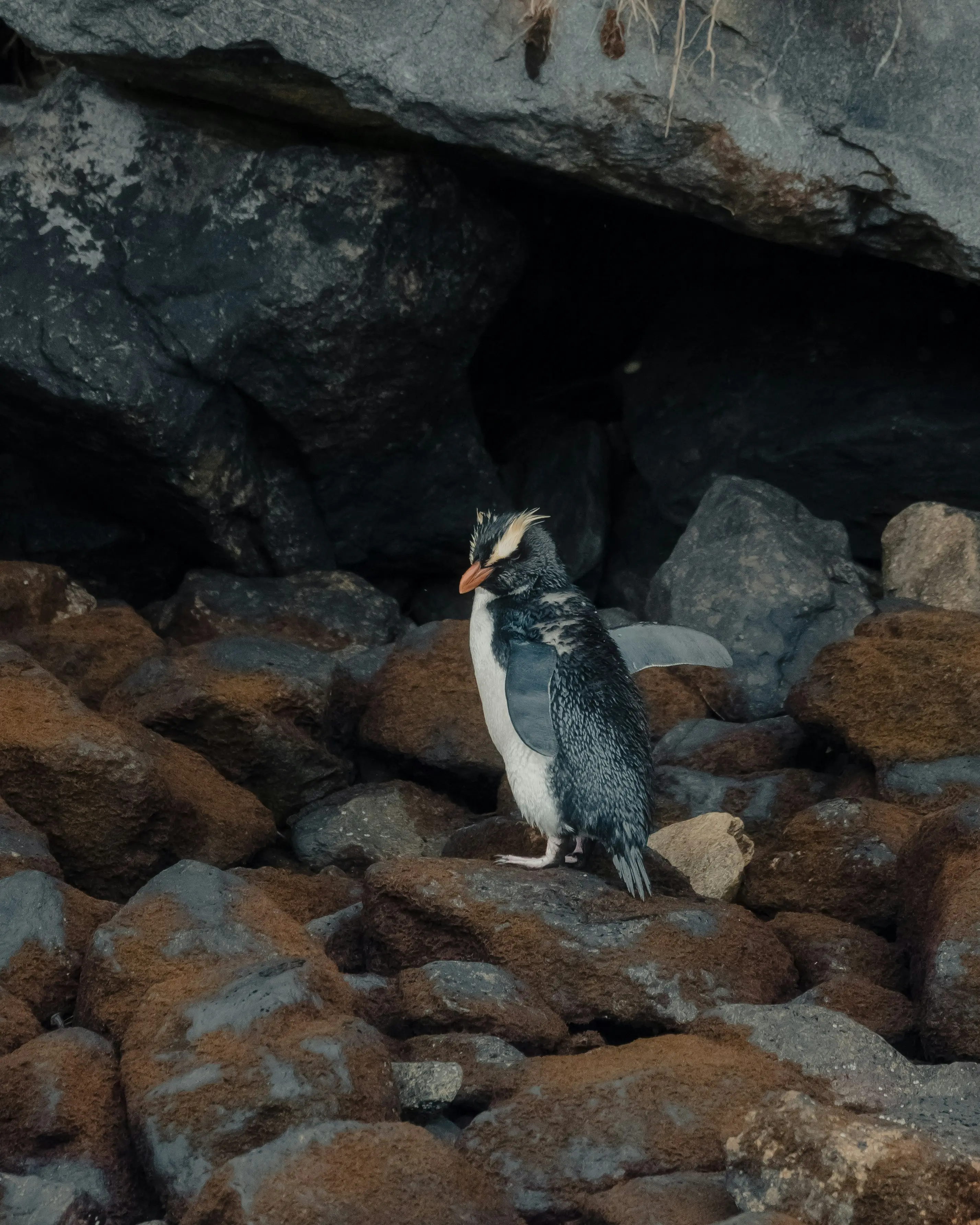
Endemic to New Zealand and listed as endangered, these penguins nest along the fiord's rocky shores. They're distinctive with those yellow eyebrow crests and their loud calls. The breeding season (July to November) is when you're most likely to spot them.
  • Population: Estimated 2,500 to 3,000 pairs in all of New Zealand
  • Nesting: Dense vegetation caves and rock crevices
  • Diet: Small fish, squid, krill from deep dives to 100m
  • Threats: Introduced predators, habitat loss, fishing bycatch

Little Blue Penguins

Seabirds

background image

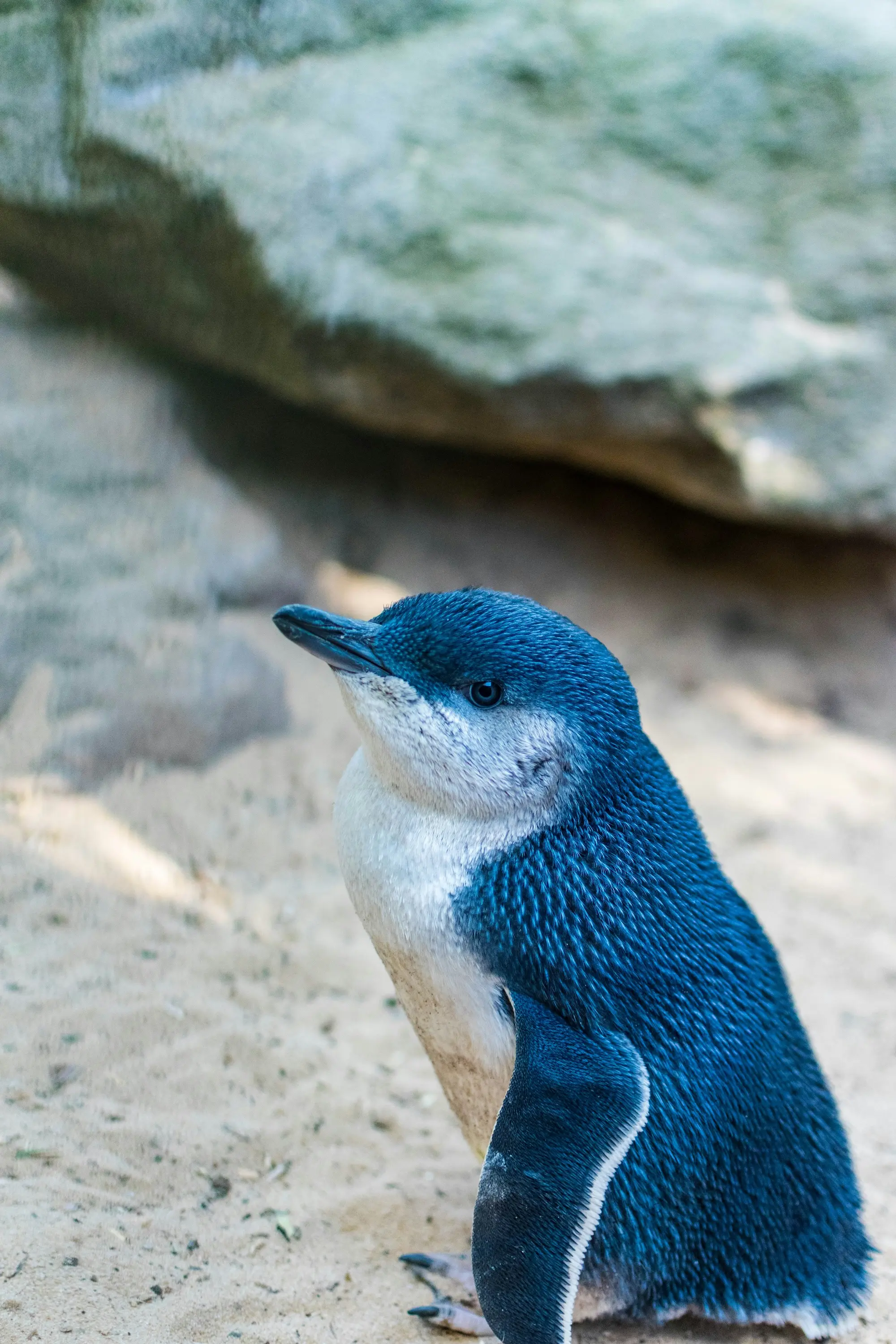
The world's smallest penguins—about 30cm tall—nest in burrows and rock crevices near the water. They come ashore after dark, which is part of their predator avoidance strategy.
  • Size: 25-30cm tall, weighing around 1kg
  • Activity Pattern: Nocturnal on land, avoid daytime predators
  • Lifespan: Can live up to 25 years in protected areas
  • Breeding: Multiple clutches possible, both parents incubate

Kea

Alpine Parrots

background image

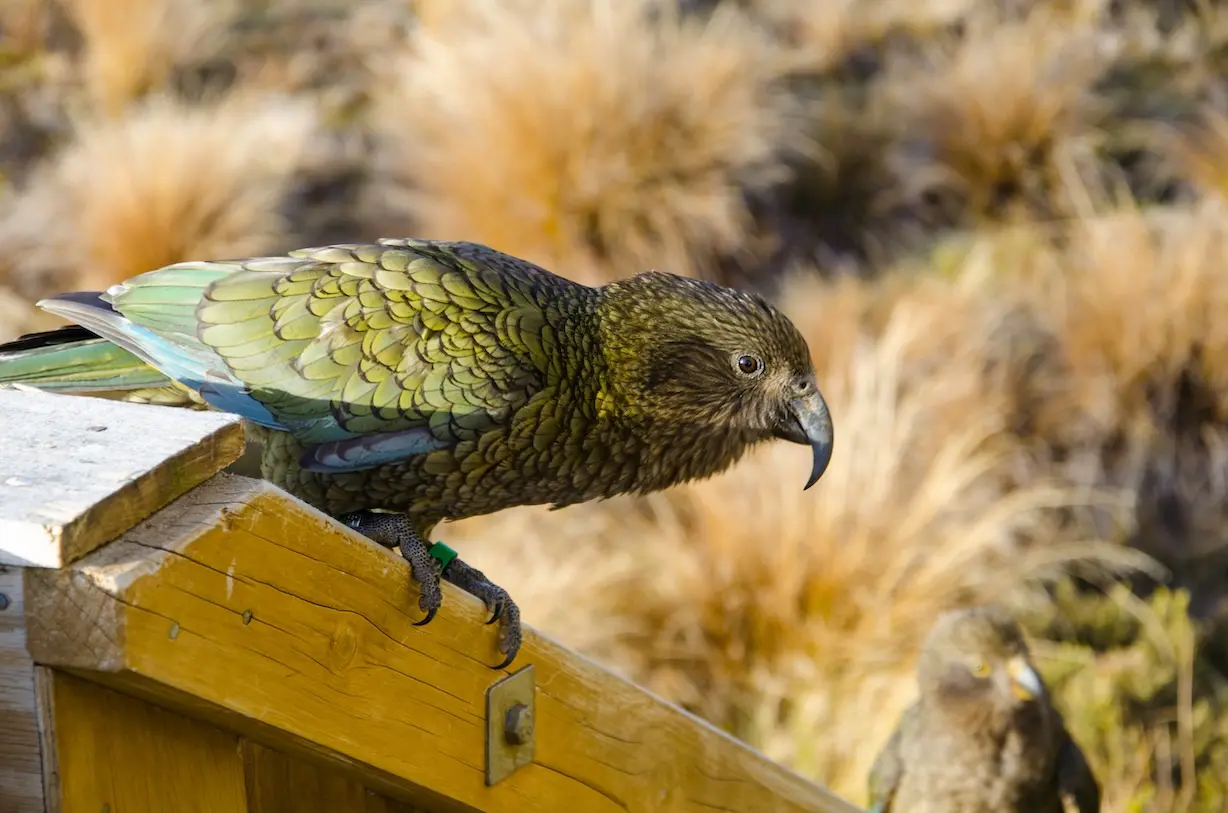
These famously cheeky alpine parrots range throughout the Fiordland mountains. They're incredibly intelligent—they can solve puzzles, work together, and they're not shy about investigating tourists and their belongings. The Department of Conservation classifies them as endangered because of historical culling and ongoing threats.

  • Intelligence: Tool use, problem solving, social learning documented
  • Diet: Omnivorous - from alpine plants to carrion
  • Social Structure: Complex hierarchies, long term pair bonds
  • Current Threats: Lead poisoning, predation, habitat loss

Other Notable Species

The forests and waterways support diverse birdlife:

  • Bellbirds and tui with melodious calls throughout the forest
  • Fantails performing acrobatic displays while hunting insects
  • Kereru (New Zealand pigeons) feeding on forest fruits
  • South Island robins, surprisingly tame and curious
  • Shags (cormorants) diving for fish in the sound
  • White fronted terns fishing along the coastline

The Underwater World

A Deep Sea Ecosystem in Shallow Water

The freshwater layer creates this strange underwater environment. Black coral which normally lives way deeper and grows here at 10 to 15 meters. Same with red coral and various sponges. The underwater observatory at Harrison Cove lets you check this out without getting wet.

Black Coral (Antipatharia)

  • Actually white, appearing black only when dead
  • Usually found at 200m+ depths, here at just 30m
  • Some colonies over 300 years old
  • Forms underwater 'trees' up to 5 meters tall
  • Provides habitat for countless smaller species

Red Coral

  • Creates colorful gardens on vertical walls
  • Extremely slow growing (2cm per year)
  • Sensitive to sedimentation and temperature changes
  • Indicator species for ecosystem health

Marine Biodiversity

Fish Species:

  • Blue Cod: Curious and approachable, color changing abilities
  • Butterfish: Traditional Māori delicacy, now protected
  • Wrasse: Multiple species creating cleaning stations
  • Sharks: Seven gill sharks patrol deeper waters
  • Eels: Massive longfin eels in estuary areas

Invertebrates:

  • Sea Stars: Eleven armed species unique to fiords
  • Sea Pens: Quill like soft corals swaying in currents
  • Crayfish: Rock lobsters in crevices and caves
  • Sea Cucumbers: Important nutrient recyclers
  • Nudibranchs: Colorful sea slugs in countless varieties

Tours Which Feature Wildlife & Nature

NZ$319.00
Family Friendly
Milford Sound Premium Small Group Tour with Cruise & Picnic Lunch

Milford Sound Premium Small Group Tour with Cruise & Picnic Lunch

10 Hours

Te Anau, New Zealand

Cheeky Kiwi Travel

Led by our famously passionate tour guides, notorious for bringing your journey to life by sharing their stories and rich background knowledge.
NZ$305.00
Coach, Cruise & Picnic lunch

Coach, Cruise & Picnic lunch

13 Hours

Queenstown, New Zealand

Wild Kiwi Tours

Experience the breathtaking beauty of Milford Sound on an unforgettable day trip from Queenstown. Travel comfortably with a small group of just 16 guests, ensuring a more personal and crowd-free adventure.

Terrestrial Wildlife

Native Bats

New Zealand's only native land mammals are bats (New zealand bats. https://enklapengarirry.web.app/66833/82796.html). Both species live in Fiordland:

  • Long-tailed Bat: Critically endangered, but present in the forests around the sound
  • Short-tailed Bat: Spends time on the forest floor hunting, which is unusual bat behavior

Insect Life

Sandflies

These tiny insects are annoying, but they play an important role in the ecosystem by pollinating plants and feeding other species. Doesn't make the bites any less itchy, however. Please consider bringing bug spray.

  • Only females bite, requiring blood for egg production
  • Māori legend says they keep humans moving through paradise
  • Most active in humid and still conditions
  • 13 species in Fiordland 2 of which are biters

Giant Weta

These prehistoric looking insects haven't changed much in 100 million years. They're like armored crickets the size of your hand. Some people think they're creepy; others find them fascinating. Either way they're quintessential when visiting Milford Sound.

  • Fiordland hosts tree weta and ground weta species
  • Can weigh up to 70 grams among heaviest insects globally
  • Nocturnal, hiding in tree holes during day
  • Important decomposers and prey species

Butterflies and Moths

Endemic species include:

  • Red Admiral butterfly frequenting forest edges
  • Forest ringlet butterfly in beech forest
  • Puriri moth New Zealand's largest moth
  • Countless micro moths pollinating native plants

Flora

Rainforest Composition

Canopy Trees

background image
  • Silver Beech: Dominant at higher elevations
  • Mountain Beech: Hardy species tolerating extreme conditions
  • Kamahi: Beautiful red flowers attracting birds
  • Rimu: Ancient conifers, some over 1,000 years old
  • Rata: Spectacular red flowering displays in summer

Understory Plants

background image
  • Tree Ferns: Multiple species creating prehistoric atmosphere
  • Crown Ferns: New Zealand's largest ferns
  • Nikau Palms: World's southernmost palm species
  • Supplejack: Climbing vines creating natural ladders

Mosses and Lichens: Over 500 species create the green carpet covering everything:

  • Some moss cushions centuries old
  • Lichens indicating air purity
  • Liverworts in perpetual dampness
  • Epiphytic communities on tree branches

Threats and Conservation

The Introduced Species Problem

Possums, stoats and rats weren't originally here, but they're here now and causing signifigant damage. They eat native birds' eggs, compete for food and generally create havoc in the ecosystem. There's ongoing pest control work trying to keep their numbers down.

A million visitors a year means boats, noise, and disturbance. The challenge is letting people experience this place without loving it to death. Regulations around vessel numbers, discharge, and visitor behavior try to minimize the impact.


Have a question?

Check our frequently asked questions below

© 2026 Milford Sounds Tours. All rights reserved.